CPA Denton CFO AlternativeThe banker's number is not a mood
The number people want is the last line. The number we will stand next to is the one that still matches the bank after the month is closed.
Ask about the number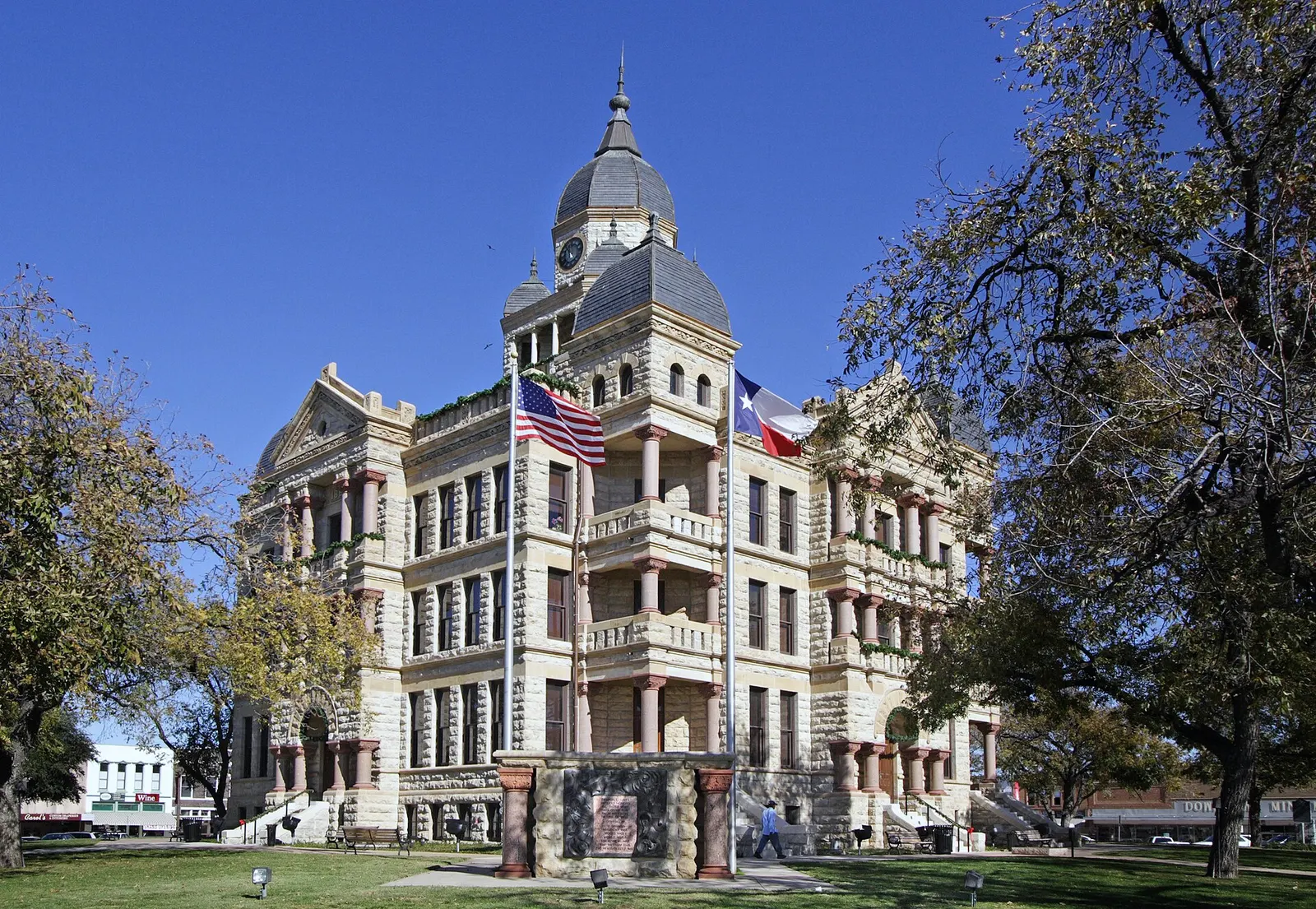
Where a usable number comes from
People say they need a figure for a banker, a partner, or a buyer. What they have is often a software total that nobody has agreed to. We start one step earlier. Which month is closed, which accounts still disagree with the bank, and which deposits arrived after the cutoff and got pulled backward by habit.
Oak, Hickory, Locust, and Elm still frame the Square, and every neighbor can name that walk. A deposit that hits Elm after midnight belongs to the date the customer paid, even if a loan file would prefer a prettier story.
Name the open items and the figure gets quiet. Profit for a stretch of weeks, cash on the last day, and the deposits that have not cleared. Quiet is what a stranger can actually read.
What we will not dress up
We will not round a quarrel into confidence. If inventory was never counted, the margin is a sketch and we label it as a sketch. If an owner paid a personal bill from the company and it still sits in supplies, the profit is high for a reason that will embarrass you later. We pull that out before anyone calls the page finished.
A hypothetical helps. Suppose a shop on the Square had a strong Saturday and the owner told a lender the year was up. The bank feed still showed last spring as the latest reconciled month. The useful meeting is not a debate about the Saturday. It is a plan to close the missing months, in order, until the Saturday has a home.
No client story sits under that example. The shape is the lesson. A sketch can use round shapes. Your shop's real totals stay in your file and never on this screen.
How the figure travels without changing
The same closed page can go to a lender, a partner, or your own Monday morning. It should not grow adjectives on the way. We keep one version. If a later month changes the story, we close that month and replace the page, rather than editing the old one in the margin.
You should be able to say how the business is doing without a long pause. That is the test we use. If you still pause, the page is not done, even if the software looks complete.
The second appointment
Committees rarely stop at one meeting. A week later someone asks for the same page with a later date on it, as if the business had lived a whole month in seven days. We do not reprint the old page with a fresh date. If nothing new has been tied to the bank, the honest reply is the same page and a sentence that says so.
Bring the follow-up note when it arrives. We will mark which lines can move and which lines have to wait for the next close. A term sheet can have its own deadline. That deadline does not pull deposits backward.
Practice the three lines out loud the day before, with us, not in the parking lot. Profit for the period you named. Cash on the last day. The items that have not cleared. If you stumble on one of them, that line goes back to the month before anyone forwards the file.
A sketch stays labeled on the cover, in words a person who only reads the first line cannot miss. Hope is not a cover line. The owner who can point at the label is calmer than the owner who hoped the software total would carry the room.
The second meeting also asks who else holds a copy. If a partner and a lender each exported a different day, we keep one export and set the others aside before the cover date changes again.
Bring the number you have
Say who asked and which month you last trusted.

You will be talking to the Steven Palmieri practice.